Zirconia Crown
GET A FREE QUOTE
Zirconia Crown Gallery


FREE CONSULTATION REQUEST
Patients Reviews
-
 Google 228 Reviews - 4.7
-
 Trustpilot 342 Excellent - 4.9
-
 Fikret TuranFor those seeking more than just dental care but an experience of sheer excellence, Dentarma Clinic is the answer. Başak Şeker and Emre Şeker didn't just perform my implant treatment; they orchestrated a symphony of precision and expertise. The result? An implant that feels like it's... +More
 -
JozefWhat can I say ... absolute professionals ... the whole team ... Prof. dr. Emre Sekera and his wife, Mr. Ali, Gabriel, Lujza, the driver, thank you very much ... I am after the first visit ... everything is fine
-
Mrs Lynne Stephensonam a 60 year old lady I have just had 6 by 6 Dental Implants, done in May I was very nervous and anxious when I got to clinic Prof Dr Emre and his team greeted me on my arrival , Throughout my procedure Emre was very self explanatory, and very reassuring, I never felt any pain throughout my... +More
-
Bedri GülerAntalya Dentarma Clinic İmplant tedavisi için şehir dışından tavsiye üzerine geldim ve çok memnun kaldım. Açık söylemem gerekirse daha önce 3-4 doktor gezmiştim ama Emre hocayla görüştükten sonra beni rahatlatı ve süreci kolaylaştırdı. Emre beyin alanındaki uzmanlığı kliniğin temizliği ve düzeni... +More
-
Michael Potter2 ay önce I am sitting here on a Friday night Writing a revue and ignoring my beautiful wife. The reason? To convince anyone choosing dental treatment in Turkey to go ahead with Dentarma. They are the sole practice I've visited (highly recommended by others) and with so many choices of... +More
-
Asena Aybüke ErdemMs Başak and her team work very regularly and meticulously, thank you for their efforts.
-
Jolanthe WolanyExcellent!!!! Highly recommend.... My whole experience was just perfect from the arriving at the airport till leaving! The whole team,Dr Emre are very professional, carrying, friendly. The clinic has very high standards... Dr Emre are the best!!!!
-
Tanıl CemPrzyjechałem z Polski na leczenie zęba mądrości. Higieniczna, szybka i profesjonalna obsługa. Polecam każdemu.
-
Sharon ClarkI'm from the U.K. I travelled to Antalya beginning of July for my first visit for the all on 6. After many, many months of research and after talking with alot of consultants I decided on Dentarma. Ali from the very first message made me instantly feel that this clinic would meet all my... +More
-
melih sefa başerDoktorların profesyonelliği, tedavi sürecimi çok daha güvenli ve başarılı hale getirdi. Kliniğin hijyenik ortamı da cabası.
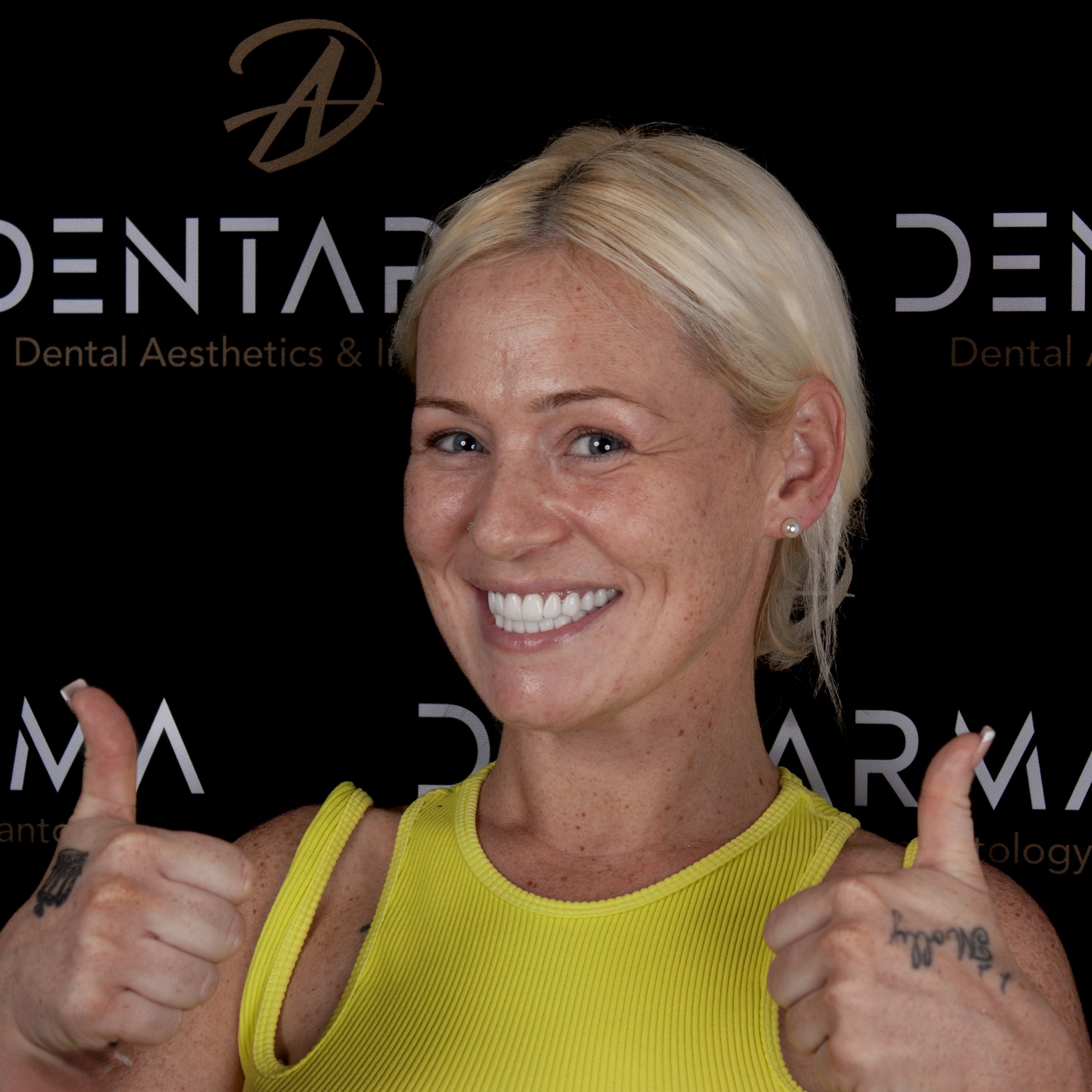
Dental crowns are used to cover a tooth or a dental implant. Dentists commonly utilize crowns to support broken, weak, or misshapen teeth. Additionally, dental crowns can be used to cover teeth that are severely worn or discolored. They may also be employed with bridges to strengthen multiple teeth.
When it comes to the materials used for crowns, there are several options, including ceramic and metal. Another option is zirconium coating. Although zirconium crowns are classified as a type of ceramic crown, they are crafted from zirconium dioxide, an extremely durable metal related to titanium.
What is a Dental Crown?
Dental crowns are restorations used to restore the shape, size, and appearance of a tooth. When fillings fail to solve the problem, crowns placed on damaged teeth provide protection. Crowns can be made from materials such as metal, porcelain, resin, and ceramic, requiring no special care beyond regular and adequate oral hygiene.
Crowns are typically produced in a tooth-colored shade to match natural teeth. When determining the material for the dental crown, individual factors such as the tooth's location and function, the position of the gum tissue, the amount of teeth visible when smiling, and the color of the surrounding teeth are evaluated.
Over time, teeth can become misshapen or damaged due to decay, injury, or usage. A dental crown is placed over the tooth to cover its visible part. Crowns, which protect teeth from fractures, are an effective method for restoring lost aesthetic appearance and function.
What are the Types of Dental Crowns?
There are different types of dental crowns, including gold, porcelain, porcelain-fused-to-metal (PFM), zirconium, and E-Max (Lithium Disilicate).
Gold Crowns: Gold dental crowns, which are combinations of other metals such as copper, nickel, or chromium, are highly durable and strong. However, they are rarely preferred today due to aesthetic reasons.
Porcelain Crowns: This is the most commonly used type of crown today. Made entirely of porcelain, these crowns provide the best and most natural appearance. They match surrounding teeth in shape, size, and color. Porcelain crowns are biocompatible and are considered the best option for anterior tooth restorations. They are non-toxic as they do not contain metal. However, for porcelain crowns to last a long time, proper maintenance is essential.
Porcelain-Fused-to-Metal (PFM) Crowns: Another commonly used type of dental crown is porcelain-fused-to-metal crowns. These crowns are sturdy due to the metal content and aesthetically pleasing due to the porcelain coating. However, the metal in porcelain-fused-to-metal crowns may cause a gray line to form at the gumline.
E-Max (Lithium Disilicate) Crowns: This is the newest type of crown used today. Made of lithium disilicate, they are strong and durable while providing an extremely aesthetic appearance. They are considered an excellent choice for both anterior and posterior teeth.
Zirconium Crowns: Zirconium is a relatively new material that combines the strength of metal with the aesthetics of porcelain crowns. High-translucent zirconium and layered zirconium crowns are increasingly being used. Zirconium crowns provide excellent aesthetics, strength, and durability. They are less prone to wear and do not contain metal, reducing the risk of allergic reactions.
Zirconium, traditional gray metal that was conventionally used in classic metal-supported crowns and bridge prostheses, has recently been increasingly replaced by a white alloy called zirconium. Zirconium is highly durable and corrosion-resistant, unlike metals, making it widely used in dentistry, particularly in crowns and bridges.
What is Zirconium Tooth?
Zirconium is a natural material that is highly resistant, non-allergenic, preserves color integrity, and eliminates hot-cold sensitivity, making it frequently used in aesthetic and prosthetic treatments in recent years. Being both durable and aesthetic, zirconium is used to cover tooth surfaces, a process known as zirconium tooth coating.
Also known as crowns or caps, zirconium tooth coating is quite popular because it enables aesthetic prosthetic treatments. Being permeable and durable, zirconium provides advantages with its white color, ensuring access to white teeth and aesthetic smiles after the restoration of decayed teeth.
How is Zirconium Tooth Made?
Zirconium dental crowns are made from zirconium dioxide, a white ceramic material. Due to its ceramic properties and being milled from a single block, it possesses the characteristic of being a strong dental prosthesis. Zirconium crowns can be produced thinner than those made from strong metals.
Creating a strong but thin crown is considered ideal as it requires minimal removal of healthy dental tissue for placement. The aim is always to preserve natural teeth and healthy smiles for as long as possible.
The process of dental restoration using zirconium is completed in two stages. During the first appointment, the dentist removes unhealthy tissue, shapes the tooth to accommodate the crown, and minimally removes healthy tissue depending on the tooth's health.
Then, impressions are taken from the patient, and a temporary crown is placed to protect the shaped tooth. Using these impressions, the exact size and shape of the new dental crown are determined.
After the zirconium coating is prepared, the temporary crown is removed, and the area is cleaned to prepare for the dental procedure. The zirconium crown is then cemented onto the tooth, and minor adjustments are made if necessary.
How is it Used with Digital Workflow?
The dental industry is undergoing a unique transformation with the active use of scanning, CAD/CAM, and stereolithography processes. These processes play a significant role in increasing the efficiency of dentists and providing access to a wide range of solutions and materials.
In digital workflows, information obtained analogically needs to be converted into digital format. A laboratory scanner is used to perform this conversion.
With the use of digital workflows, the treatment outcome can be shared with the patient at the beginning of the treatment, allowing them to visualize the results. Photographs of the patient are taken, and their needs are determined.
Designs are made according to the patient's expectations, ensuring a natural and aesthetic appearance. After the design is created, it is printed out using a 3D printer and applied to the patient's mouth as a demo. This allows the patient to see the expected result in three dimensions.
Plastic prints of the patient's own dental model are obtained from 3D printers in the same dimensions as the future veneers and zirconium coatings to be applied.
After being applied to the patient's mouth, photographs are taken again and compared with the design. After necessary adjustments, the design is sent to 3D printers or CAD/CAM devices for production. Since production will be done on CAD/CAM devices, porcelain or zirconium blocks are required.
What is CAD/CAM?
CAD/CAM, which stands for computer-aided design and computer-aided manufacturing, is specialized software used in dental design and production. It enables the entire process from scanning the patient's mouth to producing the prosthesis.
Is There a Difference Between Zirconium Crowns and Zirconium Tooth Coating?
Crown and tooth coating are terms used interchangeably by the public; there is no difference between them.
What are the Advantages of Zirconium?
Zirconium is becoming increasingly popular in the medical field due to its properties. The human body does not reject zirconium. Therefore, the likelihood of infection, complications, pain, and allergic reactions is reduced. It is more effective than porcelain in covering dental damage caused by staining or fractures. It is strong enough to withstand the most vigorous biting and chewing activities.
It is resistant to extreme temperatures and resistant to crumbling and cracking, making it durable. It can be easily shaped, colored, and sized to match the patient's natural teeth. It can be applied by removing a thin layer from the tooth. Its semi-transparent, clear appearance ensures the most suitable match to the patient's natural tooth color.
What are the Disadvantages or Risks of Zirconium?
The disadvantages of zirconium coating are minimal. It is not suitable for use when there are adjacent and numerous missing teeth. Moreover, it is more expensive than metal-supported coatings when considered in terms of cost.
Zirconium, it can be preferred in a variety of situations in dental aesthetics and restoration:
- Discoloration and Yellowing of Teeth: Zirconium coatings can be preferred to correct color changes in teeth. The natural white color of zirconium provides a whiter and more aesthetic appearance to the teeth.
- Treatment of Gaps Between Teeth: Zirconium coatings can be used to close gaps between teeth and achieve an aesthetic smile.
- Irregular Tooth Structure: Zirconium coatings can be preferred to correct the shape of teeth and improve tooth alignment.
- Loss of Aesthetic Properties of Fillings: In cases where metal fillings are visible or old fillings change color, zirconium coatings can provide an aesthetic solution.
- Coating Treatment for Back Teeth: Zirconium coatings can be a durable and aesthetic option for restorations made on back teeth.
- Smile Aesthetic Treatment: Overall, zirconium coatings can be preferred to enhance the overall aesthetics of the smile.
Zirconium coatings can be obtained by anyone who has reached the age of 18 and has formed dental and jaw structures. However, individuals with habits such as teeth grinding or chewing hard objects may need to address these issues before undergoing zirconium coating.
The color of the teeth to be coated with zirconium should match the patient's current tooth color. Therefore, zirconium coatings that are compatible with the natural tooth color are selected. When determining the tooth color, the teeth are cleaned and polished to reveal their natural color.
Dental coating can be performed with different materials. These materials include metal-backed porcelain, zirconium-backed porcelain, composite laminate veneer, full ceramic empress, and porcelain laminate veneer. The choice of which type to use is determined based on the patient's needs, tooth structure, and aesthetic preferences.
Zirconium Models
There are different types of zirconium teeth used in veneer applications, all-on-four implant applications, implant-supported applications, and smile design applications. Additionally, zirconium coating may be preferred in the treatment of single tooth coatings.
Are All Zirconium Teeth of the Same Quality?
Zirconium is commonly used in dentistry, but it is important to use zirconium blocks approved by the World Health Organization during application. The use of low-quality zirconium blocks can lead to adverse effects on the patient's health.
Is There a Difference in Quality Among Zirconium Blocks?
Zirconium blocks can be produced in different qualities by different brands. A meticulous approach should be taken to ensure the use of zirconium blocks approved by the WHO to achieve the healthiest and most effective results.
Quality and Price Relationship in Zirconium Teeth
Zirconium is one of the highest quality materials used in dentistry. The prices of zirconium may vary depending on factors such as the quality of the material. An increase in quality results in an increase in price.
Zirconia Crown in Antalya / Turkey
.
FREQUENTLY ASKED QUESTIONS ABOUT Zirconia Crown

Dental Travel in Turkey
-
 Why Choose Turkey for Dental Tourism in Turkey?
 -
 Top Cities for Dental Treatment in Turkey
 -
 Digital Smile Design 2025 Prices in Antalya
 -
 Is Turkey Safe for Dental Treatment?